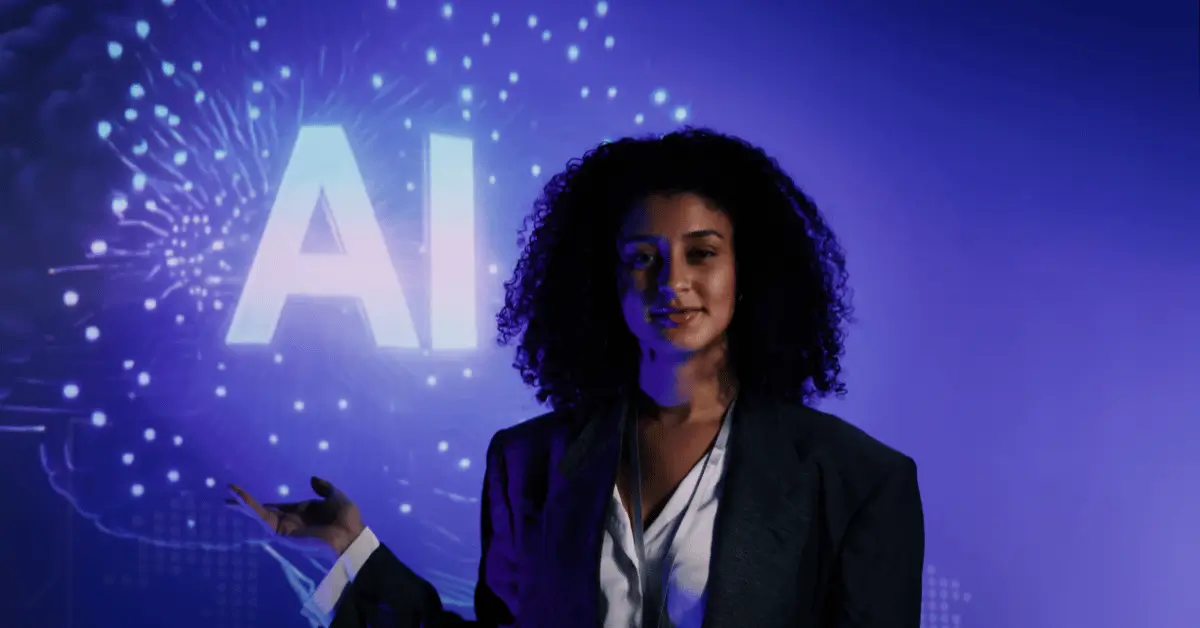
Artificial Intelligence (AI) is no longer a futuristic concept—it’s here, and it’s transforming the way businesses operate, especially in marketing.
As AI continues to evolve, it’s offering new opportunities for marketers to enhance customer experience, optimize campaigns, and achieve higher efficiency at a fraction of the traditional cost.
In this guide, we’ll explore how AI can revolutionize your marketing efforts, the tools available, and how you can integrate AI into your marketing strategy to unlock its full potential.
What is AI in Marketing?
Artificial Intelligence in marketing refers to the use of machine learning algorithms, natural language processing, and data analysis to optimize marketing strategies and improve customer engagement.
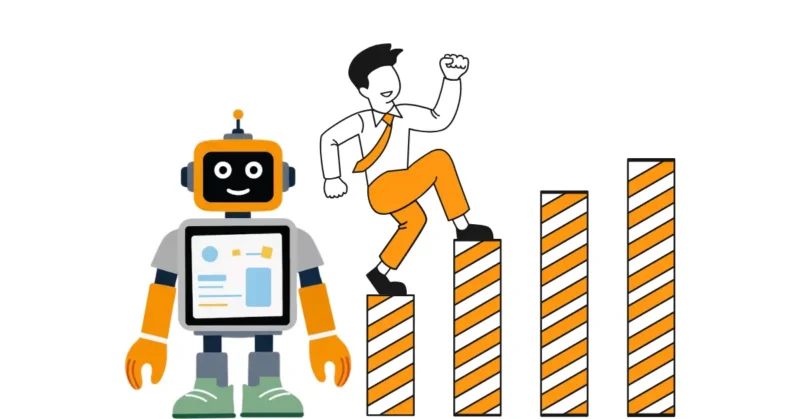
AI allows marketers to analyze vast amounts of data quickly, automate repetitive tasks, personalize content, and make data-driven decisions that were previously difficult or time-consuming.
AI in marketing includes a range of technologies, from chatbots to predictive analytics, that enable businesses to provide tailored, timely, and relevant content to their target audience.
Why AI is Essential for Modern Marketing
The landscape of digital marketing is evolving rapidly, and AI plays a crucial role in helping brands stay competitive. Here are some of the top reasons AI is essential for modern marketing:
1. Enhanced Customer Experience
AI enables businesses to deliver personalized experiences at scale. By analyzing customer data, AI can understand preferences, behaviors, and interests, helping marketers create customized content, offers, and recommendations.
2. Improved Efficiency
Marketing teams often struggle with repetitive tasks like segmenting audiences, A/B testing, and data analysis. AI can automate these tasks, freeing up valuable time for marketers to focus on strategic initiatives.
3. Better Data Insights
AI-driven tools can analyze large volumes of data in real time, providing valuable insights into customer behavior, trends, and campaign performance. This allows marketers to make more informed, data-backed decisions.
4. Cost Reduction
AI can streamline processes and optimize resources, reducing the need for expensive manual labor or trial-and-error approaches in marketing campaigns. Over time, this can lead to significant cost savings.
5. Predictive Analytics
AI can help predict future trends and customer behaviors by analyzing past data, helping brands stay ahead of the curve and optimize their marketing efforts before trends emerge.
AI Applications in Marketing
Artificial Intelligence is not a one-size-fits-all solution. There are various ways that AI can be applied in marketing, depending on the needs of the business.
Here are some of the most powerful and practical applications of AI in marketing:
1. Personalization at Scale
Personalization has become one of the most effective strategies in marketing, but it’s often challenging to deliver customized experiences at scale.
AI solves this problem by analyzing customer data (such as past purchases, browsing behavior, and social media activity) to create highly personalized content, emails, and product recommendations.
- Example: Streaming platforms like Netflix and Spotify use AI to recommend movies, TV shows, or music based on previous user activity.
- Tools: Dynamic Yield, Adobe Sensei, and Optimizely offer AI-driven personalization solutions for websites, emails, and more.
2. Chatbots and Conversational AI
AI-powered chatbots and virtual assistants have become standard tools in customer service, offering immediate assistance, answering common questions, and guiding users through processes like purchases or account management.
- Example: Many e-commerce websites use AI chatbots to help customers find products, track their orders, or resolve issues without the need for human intervention.
- Tools: Drift, Intercom, and Tidio are popular AI-driven chatbot platforms that enable businesses to provide real-time customer support.
3. Predictive Analytics for Marketing Campaigns
AI-driven predictive analytics help marketers forecast customer behavior, identify trends, and optimize future campaigns.
By analyzing historical data, AI can predict outcomes such as customer churn, conversion rates, and purchasing intent.
- Example: Retailers can use AI to predict which products a customer is most likely to purchase based on their past shopping behavior.
- Tools: HubSpot, Google Analytics with AI capabilities, and SAS provide predictive analytics for smarter marketing decisions.
4. Email Marketing Optimization
AI can take email marketing to the next level by optimizing send times, subject lines, content, and segmentation.
AI-powered tools use past data to determine the best time to send emails, craft personalized subject lines, and automatically adjust content to increase open and click-through rates.
- Example: Platforms like Mailchimp and ActiveCampaign use AI to personalize emails based on customer behaviors and engagement history.
- Tools: Sendinblue, Marketo, and Klaviyo offer AI-powered email marketing solutions that help optimize campaigns.
5. Content Generation and Curation
Creating valuable content consistently can be a daunting task, but AI tools can help marketers automate content generation. AI can assist with writing articles, generating social media posts, or curating relevant content based on customer interests.
- Example: Tools like Jarvis (now known as Jasper) use AI to write blog posts, social media captions, and product descriptions.
- Tools: Frase, Copy.ai, and ContentBot are AI tools that assist in content creation, helping marketers scale their output and save time.
6. Social Media Insights and Automation
AI can be leveraged to analyze social media trends, track brand sentiment, and automate posts.
Social listening tools powered by AI help marketers stay on top of conversations, measure engagement, and identify opportunities for growth.
- Example: AI tools can analyze the sentiment behind comments or reviews on social media, helping brands understand customer perceptions.
- Tools: Hootsuite, Sprout Social, and Socialbakers use AI to analyze social media data and automate content scheduling.
7. Ad Targeting and Optimization
AI has revolutionized paid advertising by enabling advanced targeting and real-time optimization.
AI helps marketers better segment their audiences, deliver personalized ads, and optimize bids to maximize ROI.
- Example: Google Ads and Facebook Ads use machine learning algorithms to automatically adjust bids and target the right audience based on their behavior.
- Tools: Google Ads, Facebook Ads Manager, and AdEspresso use AI to optimize ad campaigns and improve performance.
How to Integrate AI into Your Marketing Strategy
To harness the potential of AI in marketing, it’s essential to take a strategic approach. Here’s how you can integrate AI into your marketing efforts effectively:
1. Identify Business Objectives
Before implementing AI, clearly define your business goals. Are you looking to boost sales, improve customer retention, or enhance customer experience?
By understanding your objectives, you can focus on the right AI applications that align with your needs.
2. Choose the Right Tools
Select AI tools that fit your marketing needs. For example, if you’re looking to optimize your content, consider AI-driven content creation tools.
If customer service is a priority, AI chatbots or virtual assistants can be a valuable addition. Make sure to evaluate tools that integrate with your existing systems and workflows.
3. Start Small and Scale
If you’re new to AI, start by incorporating one or two AI tools into your strategy. This could mean testing out AI-powered email marketing optimization or using predictive analytics for campaign planning. As you become more comfortable with the technology, gradually scale up your efforts.
4. Focus on Data
AI is only as good as the data it analyzes. Ensure that you’re collecting clean, accurate data and using it to train your AI systems. The more data you provide, the more effective AI can be in optimizing campaigns and improving results.
5. Monitor and Optimize
Once you’ve integrated AI into your marketing strategy, regularly monitor performance and adjust as needed.
AI algorithms improve over time, but they still require human oversight. Continuously track your KPIs and make necessary adjustments to keep your campaigns on track.
Challenges of AI in Marketing
While AI offers immense potential, there are challenges to be aware of:
- Data privacy: AI tools require large amounts of data, which can raise privacy concerns. Be transparent with customers about how their data is used and comply with privacy regulations like GDPR.
- High upfront costs: Some AI tools can be expensive, especially for small businesses. Start with affordable, scalable solutions that can grow with your business.
- Integration issues: Integrating AI into existing systems can be complex. Ensure that your AI tools seamlessly work with your CRM, CMS, and other platforms.
Conclusion
AI is revolutionizing the marketing landscape by enabling businesses to deliver highly personalized experiences, optimize campaigns, and make data-driven decisions.
By leveraging the power of AI, marketers can not only enhance their strategies but also stay ahead of the competition in a rapidly changing digital world.
Whether you’re improving customer experience through chatbots, enhancing ad targeting, or using predictive analytics to forecast trends,
AI has the potential to transform your marketing efforts. By starting small, choosing the right tools, and aligning AI initiatives with your business goals, you can harness the full power of artificial intelligence in marketing and drive meaningful results for your brand.
Read more Health and Balance tips.