Marketing

social media marketing
Digital Marketing

Social Media Marketing Agency: Your Step-by-Step Guide to Building a Successful Business

In today’s digital world, social media marketing has become a crucial aspect of any business strategy. With billions of active users across platforms like Facebook, Instagram, LinkedIn, and TikTok, businesses must effectively utilize social media to stay relevant and competitive. This growing demand has created an incredible opportunity for entrepreneurs to start their own social media marketing agency. If you’re thinking about starting a social media marketing agency, you’re on the right track. This guide will provide you with a step-by-step process to help you build a successful business, from understanding the market to attracting clients and scaling your agency. Why Start a Social Media Marketing Agency? Before diving into the “how,” it’s important to understand why social media marketing is a lucrative business opportunity. 1. High Demand for Social Media Services Businesses, both small and large, are increasingly investing in social media marketing to boost their online presence. With the rapid growth of digital platforms, there is a constant demand for expert marketers who can help businesses navigate the complexities of social media, grow their brand, and engage with their audience. 2. Low Startup Costs Compared to traditional brick-and-mortar businesses, a social media marketing agency has low overhead costs. With just a computer, an internet connection, and some essential marketing tools, you can start your agency from virtually anywhere. 3. Scalability A social media marketing agency offers a scalable business model. As you acquire more clients and expand your team, you can easily scale your agency by offering more services, increasing your pricing, or hiring additional staff to handle the workload. 4. Creative and Dynamic Work If you enjoy creativity and strategic thinking, social media marketing is an exciting field. You’ll have the chance to experiment with various campaigns, explore new trends, and help businesses tell their unique stories in engaging ways. Now that you understand why starting a social media marketing agency is a great idea, let’s dive into how to build one. Step 1: Understand the Social Media Marketing Agency The first step in starting your agency is to understand the social media marketing landscape. Social media marketing is about much more than just posting pictures or updates on Instagram or Facebook; it’s a strategic approach that requires in-depth knowledge of your client’s goals, audience, and brand. Types of Social Media Marketing Services You need to decide what services your agency will provide. Social media marketing covers a wide range of activities, including: Stay Updated with Trends and Tools The social media marketing industry evolves rapidly. New platforms emerge, algorithms change, and marketing trends shift. To stay competitive, you must remain updated on these trends and continuously learn new tools, tactics, and strategies. Popular tools to explore include: Step 2: Define Your Niche and Target Market The social media marketing industry is broad, so it’s essential to narrow your focus and define your niche. By specializing in a particular area, you can offer more tailored services, stand out from competitors, and attract the right clients. Choose a Niche Your agency’s niche can be industry-specific (e.g., restaurants, fitness brands, e-commerce businesses), or service-specific (e.g., paid ads, influencer marketing, or content creation). By focusing on a niche, you can build expertise, create custom solutions, and market your agency more effectively. Identify Your Ideal Clients Understand who your ideal clients are. Consider factors such as: Knowing your ideal client will help you craft your marketing messages, choose your service offerings, and focus your efforts on attracting the right businesses. Step 3: Set Up Your Business Once you have a clear understanding of the social media marketing landscape and have defined your niche and target market, it’s time to set up the legal and operational side of your business. Register Your Business Before you begin taking clients, you must register your business. This involves: Create a Business Website A professional website is essential for any agency. It serves as your online portfolio, provides information about your services, and helps establish credibility. Make sure your website includes: Set Up Your Business Tools Set up essential business tools to streamline operations. These might include: Step 4: Build Your Brand and Online Presence To attract clients, you need to establish a strong brand and online presence. This involves showcasing your expertise and providing valuable content to your audience. Create Your Brand Identity Your brand identity includes your logo, website, business name, and messaging. Make sure your brand reflects the values and niche of your agency. For example, if you specialize in working with fitness brands, your branding should reflect a dynamic, energetic vibe. Leverage Social Media As a social media marketing agency, it’s important to practice what you preach. Use your own social media accounts to demonstrate your skills and attract potential clients. Share valuable content, industry insights, client success stories, and behind-the-scenes looks at your agency’s work. Build a Content Strategy A content strategy will help you stay consistent and relevant. Create a content plan that includes: Step 5: Acquire Clients and Network Once your agency is set up, the next step is to acquire clients and start growing your business. Network and Build Relationships Networking is key to building your client base. Attend industry events, participate in online communities, and connect with potential clients through LinkedIn or other social platforms. Establish relationships by offering free advice, hosting webinars, or creating valuable content. Pitch to Potential Clients To attract clients, you’ll need to pitch your services. Craft personalized proposals highlighting how your agency can help businesses grow through social media marketing. Include details such as: Offer Free Consultations or Audits Offering a free consultation or social media audit is a great way to build trust with potential clients. During this time, show your expertise and provide actionable recommendations on how they can improve their social media presence. Step 6: Deliver Results and Scale Your Agency Once you’ve started acquiring clients, it’s time to deliver results and build long-term relationships. Track and Measure Success Regularly measure the success of your social media campaigns

Low-Budget Marketing
Digital Marketing

5 Proven Low-Budget Marketing Strategies: How to Scale Your Small Business Today!

Uncover effective, cost-efficient marketing methods to grow your small business. Gain insights into practical strategies, useful tools, checklists, timelines, and real-life case studies that deliver results without breaking the bank. Why Marketing Today Is No Longer About Big Budgets Today, marketing is no longer a game of who spends more. It’s a game of who understands people better. Small businesses are winning today not because they have massive ad budgets, but because they use smart, focused, low-budget marketing strategies that build trust, community, and visibility over time. I’ve seen small brands with limited funds outperform bigger competitors simply by: If you’re tired of feeling invisible because you “can’t afford marketing,” this guide will change how you see growth — without draining your bank account. What Are Low-Budget Marketing Strategies? Low-budget marketing strategies are deliberate, cost-effective techniques that help companies attract, engage, and convert customers without relying on expensive advertising or agencies. They focus on: In simple words: You trade money for consistency, clarity, and creativity. Why Low-Budget Marketing Matters More Today Marketing trends clearly show: 1. Customers Trust People, Not Polished Ads Audiences are tired of “perfect” branding. They want: 2. Algorithms Favor Value Over Spend Search engines and social platforms now reward: 3. Small Businesses Need Sustainable Growth Burning money on ads without systems leads to: Low-budget marketing creates steady, predictable growth. Top Benefits of Low-Budget Marketing Strategies 1. Financial Safety You grow without risking your cash flow, which is crucial for small businesses. 2. Strong Brand Trust Organic strategies build long-term relationships, not quick clicks. 3. Higher Skill Ownership You learn marketing skills that stay with you — not with an agency. 4. Compounding Results Blogs, SEO, email lists, and content keep working months and years after they’re created. 5. Flexibility & Control You can test, adjust, and pivot without losing money. Core Low-Budget Marketing Strategies That Work Today 1. Content Marketing (Your Strongest Free Asset) Content is still king — but helpful content is the emperor. What to Focus On: Example: Instead of “Buy My Product,” write “How I solved [problem] with a simple system.” 2. SEO Blogging (Long-Term Visibility) Blogging with SEO is one of the most powerful low-budget marketing strategies. Why It Works: What to Do: Effective Email Marketing: Proven Strategies to Build an Engaged Audience 3. Email Marketing (Still Underrated, Still Powerful) Email marketing costs almost nothing — yet delivers one of the highest ROIs. Low-Cost Email Ideas: You don’t need fancy funnels — just consistency and honesty. 4. Social Media With Purpose (Not Noise) Posting everywhere is expensive in time. Instead: Low Budget Tip: One helpful post > ten random posts. 5. Community-Driven Marketing People buy from brands they feel connected to. Ways to Build Community: This costs zero money but builds massive loyalty. Biggest Challenges of Low-Budget Marketing (And How to Overcome Them) Challenge 1: Slow Results Solution: Track progress monthly, not daily. Challenge 2: Consistency Burnout Solution: Create a simple content schedule (see below). Challenge 3: Self-Doubt Solution: Focus on helping one person at a time. Challenge 4: Lack of Strategy Solution: Use checklists instead of motivation. Low Budget Marketing vs Paid Marketing (Comparison Table) Cost Low / Free High Speed Slow but steady Fast but temporary Trust High Lower Sustainability Long-term Short-term Skill Growth High Low Best approach today: Use low-budget marketing as your foundation, paid ads as support. Ready-to-Use Low-Budget Marketing Checklist Define one clear target audience Choose one main platform Write one SEO blog per week Create one lead magnet Build an email list Track results monthly Improve, don’t chase trends Print this. Use it weekly. Simple Weekly Marketing Schedule (Low Budget) Monday Tuesday Wednesday Thursday Friday Weekend Total: 3–4 hours per week Tools That Support Low-Budget Marketing No expensive software required. Frequently Asked Questions Q. Do low-budget marketing strategies really work? Yes. In fact, they work better now because audiences value authenticity over ads. Q. How long does it take to see results? Typically, 3–6 months for organic strategies, but results compound over time. Q. Can I scale without paid ads? Absolutely. Many small businesses scale using SEO, content, and email alone. Q. Which platform is best for low-budget marketing? It depends on your audience, but SEO blogs + one social platform is a strong start. Q. Is content marketing expensive? No — it mainly costs time and consistency, not money. Q. What is the most common error made by small businesses? Trying too many strategies at once instead of mastering one. Pointwise Quick Recap Conclusion: Scale Smart, Not Expensive Scaling your small business doesn’t require a massive marketing budget. It requires clarity, consistency, and courage. When you choose low-budget marketing strategies, you’re not choosing slow growth — you’re choosing sustainable growth. Start small. Stay consistent. Your future brand will thank you. Read more articles on Marketing.

Digital Marketing

How To Build Trust in the Digital Age: Ethical Practices for Marketers

How To Build Trust in the Digital Age Locate effective strategies for building trust in the digital age. From transparency and authenticity to user-generated content and privacy protection, learn how ethical practices can help marketers establish credibility and foster long-term relationships with customers. Building trust with customers is essential for marketers in today’s fast-paced digital environment. Consumers are more wary than ever due to the increase in internet fraud, data breaches, and privacy issues. As a result, ethical practices play a vital role in establishing credibility and fostering long-term relationships with customers. In this article, we will explore key strategies that marketers can employ to build trust in the digital age. 1. Transparency: The Foundation of Trust Transparency is the bedrock upon which trust is built. By being open and honest with customers, marketers can establish a strong foundation for a lasting relationship. Transparency starts with clear communication about products, services, and pricing. Providing accurate information and setting realistic expectations is essential in gaining trust. Avoiding misleading claims or exaggerations is crucial to maintain credibility in the eyes of consumers. 2. Authenticity: Let Your Brand Shine Authenticity helps you stand out in a sea of enterprises vying for customers’ attention. Genuine brands that reflect the values and beliefs of their customers appeal to them. Create a distinctive brand voice that appeals to your target market. Share your company’s story, mission, and values to create an emotional connection with customers. Authenticity builds trust by showing that you are not just another faceless corporation, but a real entity that genuinely cares about its customers. 3. User-generated Content: Harnessing the Power of Social Proof One powerful way to build trust is through user-generated content (UGC). UGC includes reviews, testimonials, and social media posts from satisfied customers. This form of social proof adds credibility to your brand and demonstrates that real people have had positive experiences with your products or services. Encourage customers to share their feedback and experiences, and leverage UGC across your marketing channels to build trust with potential customers. 4. Privacy and Data Security: Protecting Customer Information In an era dominated by data, privacy, and data security are paramount. Marketers must take proactive steps to protect customer information and respect their privacy preferences. Communicate your data privacy policies and obtain explicit consent when collecting personal information. Implement robust security measures to safeguard customer data from unauthorized access or breaches. Demonstrating a commitment to privacy and data security instills confidence in your brand. 5. Customer Support: Going Above and Beyond Providing exceptional customer support is a fundamental aspect of building trust. Be receptive to questions, issues, and complaints from customers. Offer multiple channels for customer support, such as email, phone, and live chat, to accommodate different preferences. Train your support team to be knowledgeable, empathetic, and proactive in resolving customer issues. Going the extra mile to ensure customer satisfaction showcases your commitment to their needs. 6. Social Responsibility: Making a Positive Impact In the digital age, consumers are increasingly conscious of a brand’s social responsibility efforts. Showcasing your commitment to making a positive impact can help build trust and foster loyalty. Engage in corporate social responsibility initiatives, such as supporting charitable causes or adopting environmentally friendly practices. Share these initiatives with your audience, highlighting the positive changes you are making in the world. 7. Influencer Marketing: Collaboration for Trust Influencer marketing has gained significant traction in recent years. Collaborating with influencers who align with your brand values can help build trust and reach a wider audience. However, it’s essential to ensure that influencer partnerships are transparent and genuine. Disclose any sponsored content or partnerships to maintain trust with your audience and comply with advertising regulations. 8. Continuous Improvement: Learning from Feedback To build trust, you must continuously strive for improvement. Actively seek feedback from customers and use it to refine your products, services, and customer experience. Conduct surveys, monitor online reviews, and listen to social media conversations to understand customer sentiment. By addressing pain points and incorporating customer feedback, you show your commitment to providing an exceptional experience and building trust. 9. Building Trust in the Digital Age: A Continuous Journey Building trust demands devotion and consistency over time; it is not a one-time endeavor. You may build a solid foundation of trust with your audience by putting an emphasis on openness, authenticity, privacy, outstanding customer support, and social responsibility. To stand out from the crowd and establish your brand as a reliable one in the digital era, incorporating moral principles into your marketing strategies. Conclusion In conclusion, trust is the currency of the digital age. As marketers, it is our responsibility to cultivate trust with consumers through ethical practices. By prioritizing transparency, authenticity, user-generated content, privacy protection, exceptional customer support, social responsibility, and continuous improvement, we can build strong and lasting relationships with our audience. In a competitive online landscape, trust sets us apart and helps us outshine our competitors. Let us embrace these ethical practices and pave the way for a trustworthy and successful future in the digital world. Read more articles on Digital Marketing.

Potential of Artificial Intelligence
Digital Marketing

Harnessing the Potential of Artificial Intelligence in Marketing

Unleashing AI’s Power for Business Growth Learn how artificial intelligence (AI) is transforming the marketing landscape. Explore the benefits of AI in data analysis, automation, personalization, and predictive modeling. Harness the power of AI to optimize your marketing strategies and stay ahead of the competition. For businesses to succeed in the dynamic world of marketing, being one step ahead of the competition is essential. The way that firms approach marketing strategies has radically changed because of artificial intelligence (AI). AI offers a wide range of chances for organizations to improve their marketing strategies thanks to its capacity to analyze massive volumes of data, automate procedures, and personalized client experiences. Understanding Artificial Intelligence in Marketing Artificial intelligence (AI) describes the simulation of human intelligence in devices that are designed to think and learn similarly to people. In the context of marketing, AI technologies can assist in various areas, including data analysis, content creation, customer segmentation, and predictive modeling. Businesses can gain valuable insights, optimize their campaigns, and deliver targeted messages to the right audience at the right time by leveraging AI-powered tools and algorithms. Enhancing Data Analysis and Insights One of the most significant advantages of AI in marketing is its ability to process and analyze vast amounts of data in real time. Traditional manual data analysis methods can be time-consuming and prone to human error. However, AI-powered algorithms can quickly sift through complex datasets, identify patterns, and extract actionable insights. This enables marketers to make data-driven decisions and optimize their strategies for maximum impact. Automation and Efficiency AI technology can streamline and automate various marketing processes, saving businesses valuable time and resources. For instance, chatbots powered by AI can handle customer inquiries, providing instant responses and personalized recommendations. Automated email marketing campaigns can be tailored to individual customer preferences, leading to higher engagement and conversion rates. Marketers can focus on more strategic initiatives that drive growth by automating repetitive tasks. Personalization at Scale Personalization has become a key driver of customer satisfaction and loyalty. AI enables businesses to deliver highly personalized experiences at scale by analyzing customer behavior, preferences, and purchase history. Through machine learning algorithms, AI systems can predict customer preferences and offer relevant product recommendations. Marketers can forge stronger connections, increase engagement, and drive conversions by tailoring messages and content to individual users. Predictive Modeling and Customer Segmentation Businesses may anticipate consumer behavior and preferences with AI-powered predictive modeling, allowing them to prepare for clients’ needs. AI algorithms can see trends, predict demand, and adjust marketing plans based on past data analysis. AI may significantly improve customer segmentation, another key marketing component. Businesses can develop customized advertisements that resonate with each group by segmenting their client base into distinct groups based on their characteristics and behaviors. Challenges and Considerations While AI presents immense opportunities for marketers, Recognizing the difficulties and factors involved in its implementation is crucial. Because AI uses a tremendous amount of customer data, data security, and privacy are major problems. To protect sensitive information, marketers must employ strict security procedures and maintain regulatory compliance. Another challenge is the ethical use of AI in marketing. As AI algorithms become more sophisticated, there is a risk of unintentional bias or discrimination in targeting and content creation. Marketers need to prioritize ethical practices and regularly evaluate the fairness and inclusivity of their AI-powered initiatives. Conclusion Artificial intelligence has enormous and ongoing potential in the marketing industry. Businesses can acquire useful insights, automate procedures, and give their clients individualized experiences through AI technologies. From enhanced data analysis and automation to predictive modeling and personalization at scale, AI empowers marketers to optimize their strategies and achieve better results. As the digital landscape continues to evolve, embracing AI in marketing is no longer an option but a necessity. Businesses may gain a competitive edge, build stronger client relationships, and spur growth in the fast-paced world of marketing by utilizing the power of AI. Read more articles about Online Earning.  

Role of Chatbots
Digital Marketing

How to Understand the Role of Chatbots in Customer Engagement

Come up with the role of chatbots in customer engagement and how they revolutionize the way businesses interact with their customers. Explore the benefits, challenges, and future trends of chatbots, along with practical insights on implementing them effectively. Enhance your understanding of how chatbots contribute to seamless communication, efficient support, lead generation, and personalized experiences. Uncover the potential of chatbots in transforming customer engagement strategies and delivering exceptional customer experiences. Article Outline Introduction What is customer engagement? Importance of customer engagement Evolution of customer engagement Traditional methods Rise of digital channels Need for automation What are chatbots? Definition of chatbots How do chatbots work? Benefits of Chatbots in customer engagement 24/7 availability Instant response Personalized interactions Enhancing customer experience with chatbots Seamless communication Efficient query resolution Proactive assistance Chatbots as a lead generation tool Capturing customer information Qualifying leads Automating follow-ups Overcoming challenges with chatbots Language and cultural barriers Balancing automation and human touch Handling complex queries Implementing chatbots effectively Understanding customer needs Designing intuitive user interfaces Regular updates and improvements Chatbots and multi-channel customer engagement Integration with various platforms Omni-channel experience Analytics and insights from chatbot interactions Tracking customer behavior Identifying pain points Optimizing customer journeys Chatbots and customer support Streamlining support processes Automated ticketing and routing Escalation to human agents Ethical Considerations with Chatbots Transparency and disclosure Data privacy and security Handling sensitive information Future trends in chatbot technology Natural language processing advancements Voice-based interactions Emotional Intelligence in Chatbots Case studies Successful chatbot implementations Conclusion Understanding the Role of Chatbots in Customer Engagement Customer interaction has emerged as a crucial component of corporate success in the quickly changing digital environment of today. Gone are the days of one-way communication and generic interactions. Customers now expect personalized and seamless experiences. To meet these expectations, businesses have turned to innovative solutions, and one such solution that has gained significant prominence is chatbots. These intelligent virtual assistants have revolutionized customer engagement by providing instant and tailored responses around the clock. In this article, we will delve into the role of chatbots in customer engagement, exploring their benefits, challenges, and prospects. Evolution of Customer Engagement Before we dive into chatbots, it’s essential to understand the evolution of customer engagement. Traditionally, businesses relied on face-to-face interactions, phone calls, and email exchanges to connect with their customers. While these methods served their purpose, they often lacked efficiency and struggled to meet the increasing demands of a digital-savvy customer base. The rise of digital channels brought about a shift in customer engagement practices. Social media platforms, messaging apps, and online chat support became popular avenues for communication. However, managing these channels manually became a daunting task. This is where automation and chatbots stepped in to streamline the process, ensuring businesses could engage with their customers effectively and efficiently. What are Chatbots? Virtual assistants or conversational agents are other names for chatbots, which are computer programs designed to simulate human-like conversations with users. They leverage natural language processing (NLP) and artificial intelligence (AI) algorithms to understand user inputs and generate appropriate responses. These intelligent chatbots can be deployed across various platforms, such as websites, messaging apps, and social media platforms. They serve as the first point of contact for customer queries, providing quick and accurate information, resolving issues, and even completing transactions. Benefits of Chatbots in Customer Engagement 24/7 Availability: Unlike human agents who require breaks and sleep, chatbots can operate round the clock, ensuring customers have access to support and information at any time of the day or night. Instant Response: Chatbots offer real-time responses, eliminating the need for customers to wait in long queues or navigate complex phone menus. This immediacy enhances the overall customer experience. Personalized Interactions: By leveraging customer data and AI algorithms, chatbots can deliver tailored experiences to each individual. They can remember preferences, and previous interactions, and provide relevant recommendations, making customers feel valued and understood. Enhancing Customer Experience with Chatbots Chatbots play a crucial role in enhancing the customer experience. Their ability to engage customers in seamless and natural conversations bridges the gap between businesses and their audiences. Seamless communication is a hallmark of effective customer engagement. Chatbots ensure that customers can interact effortlessly and receive the information they seek without any friction. Whether it’s answering product-related queries, providing order updates, or guiding users through complex processes, chatbots make it easy for customers to get the assistance they need. Another area where chatbots shine is in the efficient resolution of queries. Chatbots can quickly and accurately answer questions by assessing user inputs and drawing on their knowledge base. Both customers and businesses benefit from this because it frees up time for them to work on more important activities. Proactive assistance is another benefit of chatbots. They can anticipate customer needs based on their behavior and previous interactions. By proactively suggesting relevant products, addressing potential concerns, or offering personalized recommendations, chatbots can enhance the overall customer experience. Chatbots as a Lead Generation Tool In addition to customer support, chatbots can also serve as effective lead-generation tools. Through intelligent conversations, they can capture valuable customer information and qualify leads for businesses. Here’s how chatbots contribute to lead generation: Capturing Customer Information: Chatbots can collect essential customer details, such as names, email addresses, and preferences, during conversations. This information can be used to nurture leads and tailor future marketing efforts. Qualifying Leads: Chatbots can find high-potential prospects by asking pertinent questions and comprehending client wants. They can compile detailed specifications and direct clients toward the right products or services. Automating Follow-ups: Chatbots can automate follow-up processes by sending personalized messages or emails to potential leads. They can nurture relationships, share relevant content, and keep prospects engaged until they are ready to purchase. Overcoming Challenges with Chatbots While chatbots offer numerous advantages, some challenges need to be addressed to ensure successful implementation and customer satisfaction. Language and cultural barriers can pose hurdles for chatbots. Different languages, dialects, and cultural nuances require robust language processing capabilities to provide accurate responses. Businesses must invest

Navigating the World of Influencer Fraud
Digital Marketing

How to Navigate the World of Influencer Fraud: How to Protect Your Brand

Do aware of how to protect your brand from influencer fraud with our comprehensive guide. Learn to identify warning signs, implement preventive strategies, and navigate the world of influencer marketing with confidence. Safeguard your brand’s reputation and marketing investments today! Article Outline Introduction Understanding Influencer Fraud 1 Definition of Influencer Fraud 2 Types of Influencer Fraud The Impact of Influencer Fraud on Brands 1 Financial Losses 2 Damage to Brand Reputation 3 Wasted Marketing Resources Identifying Influencer Fraud 1 Fake Followers and Engagement 2 Suspicious Engagement Patterns 3 Inconsistent Brand Alignment 4 Content Authenticity Strategies to Protect Your Brand 1 Research and Due Diligence 2 Scrutinize Metrics and Analytics 3 Build Long-Term Relationships 4 Use Influencer Verification Tools Collaborating with Authentic Influencers 1 Finding Genuine Influencers 2 Authenticating Influencer Profiles 3 Building Trust and Transparency Creating Strong Influencer Contracts 1 Establish Clear Expectations 2 Specify Metrics and Reporting 3 Address Content Ownership 4 Include Fraud Protection Clauses Monitoring and Measuring Influencer Campaigns 1 Set Key Performance Indicators (KPIs) 2 Regularly Monitor Campaign Progress 3 Measure ROI and Adjust Strategies Building an Internal Influencer Marketing Team 1 Educate Team Members about Fraud 2 Establish Quality Control Measures 3 Collaborate with Legal and Compliance Staying Ahead of Evolving Fraud Techniques 1 Stay Updated with Industry Trends 2 Leverage Technology and AI Solutions Conclusion FAQs Navigating the World of Influencer Fraud: How to Protect Your Brand Influencer marketing has developed into a potent tool for brands to interact with their target audience in the current digital era. However, with the rise in popularity of influencer marketing, a new threat has emerged: influencer fraud. This article aims to shed light on the world of influencer fraud, its impact on brands, and most importantly, how to protect your brand from falling victim to fraudulent influencers. 1. Introduction Influencer fraud refers to deceptive practices employed by individuals who falsely portray themselves as influential figures with a large following on social media. These fraudsters engage in various tactics to manipulate metrics and mislead brands into collaborating with them. The consequences of falling prey to influencer fraud can be detrimental, leading to financial losses, damage to brand reputation, and wasted marketing resources. 2. Understanding Influencer Fraud 2.1 Definition of Influencer Fraud Influencer fraud encompasses a range of deceptive activities, including buying fake followers and engagement, inflating engagement metrics, and misrepresenting audience demographics. Fraudulent influencers often rely on these tactics to create an illusion of influence and reach, deceiving brands into believing they can effectively promote their products or services. 2.2 Types of Influencer Fraud There are different types of influencer fraud prevalent in the industry. These include buying fake followers, engagement pods, bot-generated comments, and even the creation of entirely fake personas. Understanding these fraudulent practices is crucial for brands to identify red flags and protect themselves from collaborating with dishonest influencers. 3. The Impact of Influencer Fraud on Brands Influencer fraud can have severe consequences for brands, undermining their marketing efforts and damaging their reputation. 3.1 Financial Losses One of the immediate impacts of influencer fraud is financial loss. Brands often invest significant budgets in influencer marketing campaigns, expecting a return on their investment. However, when collaborating with fraudulent influencers, the results may fall far short of expectations, wasting valuable resources. 3.2 Damage to Brand Reputation Collaborating with a fraudulent influencer can tarnish a brand’s reputation. If the influencer engages in unethical practices or is exposed as fraudulent, it reflects poorly on the brand associated with them. Consumers may lose trust in the brand, leading to a decline in sales and a damaged brand image. 3.3 Wasted Marketing Resources When brands unknowingly collaborate with fraudulent influencers, their marketing efforts may go to waste. The content produced by these influencers fails to reach the intended target audience or generate genuine engagement. This wasted effort can be a significant setback for brands seeking to maximize their marketing ROI. 4. Identifying Influencer Fraud To protect your brand from influencer fraud, it is crucial to be able to identify the warning signs and red flags associated with fraudulent influencers. 4.1 Fake Followers and Engagement One of the most common indicators of influencer fraud is an inflated number of followers and engagement. Fraudulent influencers often buy fake followers and engagement to create the illusion of popularity. However, careful analysis of their followers and engagement metrics can reveal inconsistencies and suspicious patterns. 4.2 Suspicious Engagement Patterns Authentic influencers typically enjoy a natural and consistent level of engagement from their followers. In contrast, fraudulent influencers may exhibit irregular engagement patterns, such as sudden spikes in engagement followed by long periods of inactivity. These fluctuations can be an indication of purchased engagement or automated bot activity. 4.3 Inconsistent Brand Alignment Authentic influencers align their content with their brand and values. However, fraudulent influencers may lack consistency in their content or promote products that do not align with their niche or audience. Brands should carefully evaluate the influencer’s content to ensure a genuine connection with their brand and target audience. 4.4 Content Authenticity Another red flag of influencer fraud is the authenticity of the content. Brands should scrutinize the influencer’s content for signs of stock photos, generic captions, or inconsistent quality. Genuine influencers invest time and effort in creating original, high-quality content that resonates with their audience. 5. Strategies to Protect Your Brand Now that we understand the risks and red flags associated with influencer fraud, let’s explore effective strategies to safeguard your brand’s reputation and marketing investments. 5.1 Research and Due Diligence Thoroughly research potential influencers before collaborating with them. Look beyond their follower count and delve into their content, engagement, and audience demographics. Authentic influencers will have a consistent track record of producing engaging content that resonates with their followers. 5.2 Scrutinize Metrics and Analytics While metrics like follower count and engagement are essential, they should not be the sole basis for collaboration decisions. Scrutinize engagement metrics such as likes, comments, and shares to ensure genuine interaction. Additionally, analyze audience demographics to ensure

Conversion Rate Optimization
Digital Marketing

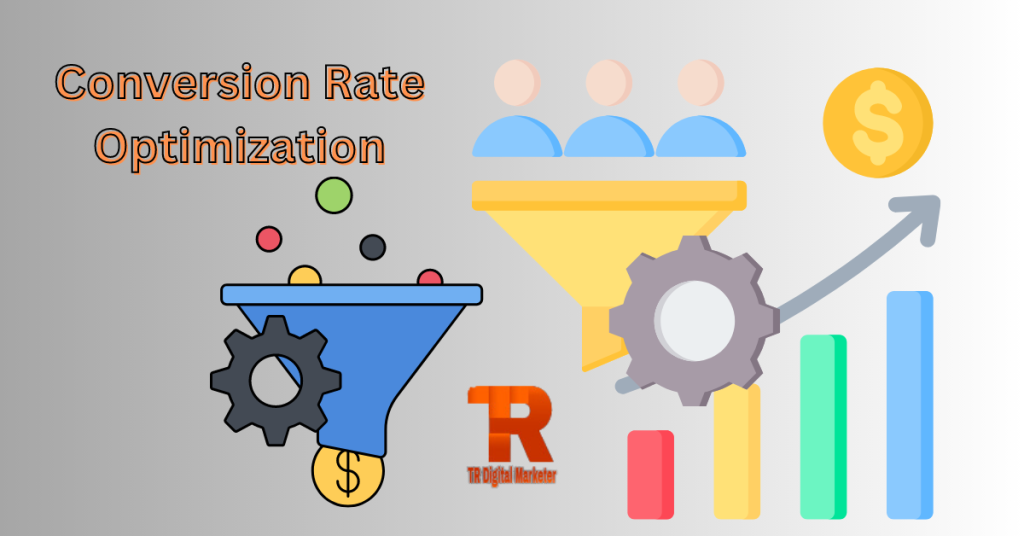
How to Optimize Conversion Rate, and Techniques for Boosting Your Sales

Learn effective techniques for optimizing your conversion rates and skyrocketing your sales. Maximize Sales Growth through Conversion Rate Optimization Chapter Table I. Introduction What is Conversion Rate Optimization (CRO)? The importance of CRO for boosting sales II. Understanding Conversion Rates Defining conversion rates Why tracking and analyzing conversion rates is crucial III. Key Elements of Conversion Rate Optimization User Experience (UX) and its Impact on Conversions Design and layout considerations for improving conversions Effective call-to-action (CTA) strategies A/B testing and its role in CRO Website loading speed and its influence on conversions IV. Optimizing Landing Pages for Conversions Importance of well-designed landing pages Creating compelling headlines and subheadings Crafting persuasive copy and engaging content Use of visuals and multimedia elements Streamlining the conversion process V. Optimizing Product Pages Enhancing product descriptions High-quality product images and videos Reviews and social proof Clear pricing and offers Simplified checkout process VI. Using Personalization to Increase Conversions Tailoring content to the target audience Implementing dynamic and personalized recommendations Customizing user journeys and experiences VII. Leveraging Social Proof and Testimonials The Power of social proof in influencing buying decisions Displaying customer testimonials and reviews Showcasing social media engagement and followers VIII. Implementing Trust Signals The importance of trust in online transactions Trust badges and security seals Privacy policies and data protection Customer support and contact information IX. Optimizing Mobile Experience for Conversions Mobile-friendly design and responsiveness Streamlined navigation and user interface Mobile-specific CTAs and checkout process X. Analyzing and Monitoring Conversion Rates Setting up conversion tracking and analytics tools Key metrics to monitor for CRO Utilizing heatmaps and user behavior analysis XI. Retargeting and Remarketing Strategies Targeting users who have shown interest Tailoring ads and offers based on user behavior Cross-channel remarketing techniques XII. CRO for E-commerce Websites Cart abandonment and recovery strategies Upselling and cross-selling techniques Product recommendations and personalized offers XIII. CRO for Lead Generation Websites Optimizing lead capture forms Crafting compelling lead magnets Nurturing leads through effective email marketing XIV. CRO for Service-Based Websites Converting website visitors into inquiries or bookings Showcasing expertise and testimonials Streamlining the inquiry or booking process XV. Conclusion Conversion Rate Optimization: Techniques for Boosting Your Sales Introduction When it comes to running a successful online business, it’s not just about driving traffic to your website. Converting that traffic into paying customers is equally crucial. This is where Conversion Rate Optimization (CRO) comes into play. In this article, we will explore effective techniques for boosting your sales through CRO. Understanding Conversion Rates Conversion rates refer to the percentage of website visitors who take a desired action, such as making a purchase, subscribing to a newsletter, or filling out a form. Tracking and analyzing conversion rates is essential to identify areas for improvement and optimize your website’s performance. Key Elements of Conversion Rate Optimization User Experience (UX): A seamless and intuitive user experience is critical for driving conversions. By analyzing user behavior and feedback, you can make informed decisions to improve the overall experience. Design and Layout Considerations: The design and layout of your website can significantly impact conversions. Clear and visually appealing designs, strategic placement of elements, and easy navigation contribute to a positive user experience. Effective Call-to-Action (CTA) Strategies: Well-crafted and strategically placed CTAs can guide users toward desired actions. Compelling copy, contrasting colors, and strategic placement of CTAs can make a significant difference in conversion rates. A/B Testing: A/B testing involves comparing two versions of a webpage or element to determine which performs better in terms of conversions. By testing different variations, you can make data-driven decisions to optimize your website for higher conversions. Website Loading Speed: Slow-loading websites can lead to high bounce rates and lost conversions. Optimizing your website’s loading speed is crucial for providing a smooth user experience and improving conversion rates. Optimizing Landing Pages for Conversions Landing pages are often the first point of contact for potential customers. Optimizing them for conversions is vital for maximizing your sales opportunities. Compelling Headlines and Subheadings: Catchy and persuasive headlines and subheadings can grab users’ attention and encourage them to explore further. Persuasive Copy and Engaging Content: The content on your landing pages should communicate the value proposition of your product or service. Compelling copy that addresses users’ pain points and highlights benefits can significantly impact conversions. Use of Visuals and Multimedia Elements: Incorporating relevant images, videos, and infographics can enhance engagement and make your landing pages more visually appealing. Visual elements can help convey information quickly and effectively. Streamlining the Conversion Process: Simplify the conversion process by reducing form fields, providing guest checkout options, and ensuring a smooth transition from browsing to purchasing. Optimizing Product Pages Product pages play a crucial role in driving conversions for e-commerce websites. Implement the following strategies to optimize your product pages: Enhancing Product Descriptions: Well-written and detailed product descriptions can provide valuable information to potential customers and address any concerns or questions they may have. High-Quality Product Images and Videos: Clear, high-resolution images and videos showcasing your products from different angles and contexts can build trust and allow customers to make informed purchasing decisions. Reviews and Social Proof: Displaying customer reviews, ratings, and testimonials can significantly influence buying decisions. Positive social proof increases trust and credibility. Clear Pricing and Offers: Transparent pricing and any special offers or discounts should be displayed on your product pages. Hidden costs or confusing pricing can lead to abandoned carts. Simplified Checkout Process: Streamline the checkout process by minimizing steps, providing progress indicators, and offering multiple secure payment options. Reduce friction and make it easy for customers to complete their purchases. Using Personalization to Increase Conversions Personalization is a powerful tool for improving conversions by tailoring the user experience to individual preferences and needs. Tailoring Content to the Target Audience: By analyzing user data and segmentation, you can deliver personalized content and recommendations that resonate with your target audience. Implementing Dynamic and Personalized Recommendations: Displaying personalized product recommendations based on browsing history and purchase behavior can drive higher conversions. Customizing User Journeys

Storytelling in Digital Marketing
Digital Marketing

What is The Art of Storytelling in Digital Marketing: Crafting a Memorable Brand Narrative

Scrutinize the secrets of worthwhile storytelling in digital marketing! Learn how to create a captivating brand narrative that leaves a lasting impression on your audience. Dive into the world of storytelling and unleash the power of your brand! Introduction Getting your target audience’s attention in the broad digital realm, where attention spans are successful, and competition is intense, has been more difficult than ever. Consumers now demand authenticity, connection, and a sense of belonging, making traditional marketing strategies ineffective. This is where digital marketing’s mastery of narrative is put to use. Making a memorable brand narrative will help you connect with your audience, inspire them, and foster long-lasting relationships. But what exactly is storytelling in the context of digital marketing? It’s more than just a simple anecdote or a clever tagline. Storytelling encompasses the art of weaving a compelling narrative that resonates with your audience on an emotional level, while simultaneously promoting your brand’s values, mission, and offerings. It’s a delicate balance between captivating storytelling and strategic marketing. In this article, we will delve deep into the art of storytelling in digital marketing, exploring various techniques, strategies, and examples that will help you create a memorable brand narrative. From understanding your audience to leveraging the power of visuals, let’s unlock the secrets to captivating storytelling in the digital realm! The Power of Storytelling: Why Does It Matter? Before we dive into the specifics, let’s take a moment to understand why storytelling holds such sway over our emotions and behaviors. Stories have been an integral part of human culture since time immemorial. From ancient myths and legends passed down through generations to the bedtime tales that ignite our childhood imaginations, stories have always captivated us. And in the realm of marketing, stories have the power to do much more than entertain – they can shape perceptions, influence decisions, and drive action. Here are a few reasons why storytelling is crucial in digital marketing: Emotional connection: Stories evoke emotions and allow us to empathize with the characters and situations portrayed. When a brand tells a compelling story that resonates with its target audience, it forges an emotional connection that goes beyond product features and benefits. Memorability: People are more likely to remember a story than a list of facts or statistics. By infusing your brand message into a captivating narrative, you create a lasting impression in the minds of your customers. Differentiation: In today’s saturated market, it’s vital to differentiate your brand from the competition. By developing a unique brand narrative, you can stand out and establish a distinctive identity that sets you apart from the crowd. Building trust: Trust is the cornerstone of any successful relationship, and storytelling is a powerful tool for building trust with your audience. Customers are more inclined to trust your services and stick with you if they can relate to your brand’s story. Understanding Your Audience: The Key to Compelling Stories Crafting a memorable brand narrative begins with deeply understanding your target audience. To create a story that resonates, you need to know their aspirations, fears, challenges, and desires. Conducting thorough market research, analyzing customer data, and building buyer personas are essential steps in this process. Once you have a clear understanding of your audience, you can tailor your storytelling approach accordingly. Here are some key aspects to consider when understanding your audience: Demographics: Age, gender, location, and other demographic factors influence how your audience perceives and relates to stories. Adapt your storytelling style and content to suit their preferences. Psychographics: Dive deeper into your audience’s psychographics – their values, interests, attitudes, and lifestyle. This will help you create stories that align with their beliefs and aspirations. Pain points and desires: What are the challenges your audience faces? What are their goals and desires? Incorporating these aspirations and pain points into your brand narrative can help you connect with your audience on a deeper level. The Elements of a Captivating Brand Narrative Crafting a compelling brand narrative requires a thoughtful approach, incorporating key elements that resonate with your audience. Let’s explore these elements and how they contribute to an impactful storytelling experience: A relatable protagonist: Every great story has a protagonist – a central character with whom the audience can identify. In your brand narrative, your audience should see themselves or their aspirations reflected in this protagonist. Conflict and resolution: Engage your audience by introducing a conflict or challenge that your protagonist must overcome. This creates suspense, emotional investment, and a desire for resolution. Ultimately, your brand should provide the solution to this conflict. Authenticity and transparency: Today’s consumers value authenticity and transparency. Be genuine in your storytelling, sharing real experiences, and showcasing the human side of your brand. This fosters trust and credibility. Visual storytelling: Leverage the power of visuals to enhance your brand narrative. Images, videos, and infographics can evoke powerful emotions and enhance the storytelling experience. Use them strategically to captivate your audience. Crafting Your Brand Narrative: Practical Tips and Strategies Now that we understand the importance of storytelling and the key elements of a captivating brand narrative, let’s delve into practical tips and strategies to help you craft your own memorable story: Start with a hook: Get the attention of your audience right away. A strong opening, whether it’s an intriguing question, a surprising statement, or a vivid image, will entice your audience to keep reading or watching. Maintain a consistent tone: Define a consistent tone that aligns with your brand’s personality and values. Whether it’s playful, inspiring, or informative, maintaining a consistent tone throughout your brand narrative creates a cohesive and recognizable voice. Use sensory language: Engage your audience’s senses using vivid and descriptive language. Paint a picture with your words, allowing your audience to immerse themselves in and experience the story firsthand. Create a journey: Take your audience through your brand narrative. Begin with the status quo, introduce a conflict, and guide them towards the resolution – your brand as the hero that saves the day. Incorporate social proof:

Personalization in Digital Marketing (1)
Digital Marketing

What is Personalization in Digital Marketing: Connecting with Your Audience

Explore the power of personalization in digital marketing. Learn how to connect with your audience on a deeper level and drive better results. In the current digital environment, where companies work to attract the interest of their target audience, personalization has emerged as a potent tool. Businesses must have a genuine and individualized connection with their audience to survive the ever-increasing competition. In this post, we’ll look at the idea of customization in digital marketing and discuss several tactics that can help you connect with your audience. Understanding Personalization What is Personalization? In digital marketing, personalization means adjusting your marketing strategies to your target audience’s unique demands, preferences, and habits. It entails providing customers with relevant offers, experiences, and material that speak to them on a personal level. Utilizing data and cutting-edge technologies, businesses may develop specific experiences and forge better ties with them. The Importance of Personalization Personalization is no longer just a nice-to-have; it has become a necessity in today’s competitive landscape. Here’s why personalization is crucial for your digital marketing strategy: 1. Enhanced Customer Experience Personalization allows you to provide a unique and tailored experience to each customer. You can enhance customer satisfaction and engagement due to delivering relevant content and recommendations. 2. Increased Customer Loyalty When customers feel understood and valued, they are more likely to remain loyal to your brand. Personalization helps foster a sense of loyalty and encourages repeat purchases. 3. Higher Conversion Rates You can significantly increase your conversion rates by delivering personalized offers and recommendations. When customers see products and services that align with their interests and needs, they are more likely to purchase. 4. Improved Marketing ROI Personalization enables you to optimize your marketing efforts and allocate resources more effectively. You can maximize your return on investment by targeting the right audience with the right message. Strategies for Effective Personalization Now that we understand the importance of effective personalization, let’s explore some strategies that can help you connect with your audience and drive better results. 1. Collect and Leverage Customer Dataexte To personalize your marketing efforts, you need to gather relevant customer data. This includes demographic information, purchase history, browsing behavior, and preferences. By leveraging this data, you can segment your audience and create targeted campaigns that resonate with specific customer groups. 2. Create Dynamic Content Dynamic content refers to web pages and emails that adapt and change based on individual user data. By utilizing dynamic content, you can deliver personalized messages and recommendations to each customer. For example, you can display product recommendations based on a customer’s previous purchases or showcase content based on their browsing history. 3. Implement Behavioral Triggers Behavioral triggers are automated actions that are triggered by specific customer behaviors or actions. For instance, if a customer abandons their shopping cart, you can send them a personalized email offering a discount to encourage them to complete the purchase. Behavioral triggers allow you to engage with your audience at critical touchpoints and guide them toward conversion. 4. Use Email Marketing Personalization Email marketing is still a very powerful tool for individualized communication. You may develop engaging email campaigns that connect with each recipient by using segmentation, dynamic content, and personalized subject lines. Higher open and click-through rates in personalized emails result in better overall engagement. 5. Leverage Artificial Intelligence (AI) Artificial Intelligence plays a significant role in personalization by analyzing vast amounts of data and providing valuable insights. AI-powered algorithms can help identify patterns, predict customer behavior, and deliver personalized experiences at scale. Whether it’s chatbots providing tailored recommendations or predictive analytics driving personalized content, AI can elevate your personalization efforts. Conclusion Personalization in digital marketing is an essential strategy for connecting with your audience and standing out from the competition. By leveraging customer data, creating dynamic content, implementing behavioral triggers, utilizing email marketing personalization, and harnessing the power of AI, you can deliver personalized experiences that resonate with your target audience. Remember, personalization is not just a trend; it’s a long-term strategy that can drive customer satisfaction, loyalty, and business growth. Embrace personalization, and watch your digital marketing efforts flourish. Read more articles on Digital Marketing

Mobile Marketing
Digital Marketing

What is Mobile Marketing in the Smartphone Era: Trends and Strategies

Bring to the latest trends and strategies in mobile marketing for the smartphone era. Learn how to outrank your competitors and boost your online visibility. Enhance your mobile optimization, leverage SMS marketing, create engaging videos, integrate social media, and explore the power of augmented reality. Unlock success in the mobile revolution. Introduction In the rapidly evolving digital landscape, mobile marketing has emerged as a powerful tool to connect with consumers in the smartphone era. With the ever-increasing popularity of mobile devices, it has become crucial for businesses to adopt effective strategies that capitalize on this trend. In this article, we will explore the latest trends and strategies in mobile marketing that can help you outrank your competitors and boost your online visibility. The Rise of Mobile Devices Smartphones have revolutionized the way we interact with the world around us. According to recent statistics, there are over 3.8 billion smartphone users globally, and the number is expected to grow exponentially in the coming years. This widespread adoption of mobile devices presents an enormous opportunity for businesses to reach their target audience directly. Mobile-First Indexing With the introduction of mobile-first indexing by search engines, mobile optimization has become paramount for achieving high search rankings. Search engines now prioritize mobile-friendly websites, considering factors such as responsive design, page loading speed, and user experience. To outrank your competitors, it is essential to ensure that your website is optimized for mobile devices. Responsive Web Design Responsive web design is a fundamental aspect of mobile optimization. It allows your website to adapt seamlessly to different screen sizes, ensuring an optimal user experience across all devices. By implementing responsive design, you provide a consistent and engaging browsing experience to your visitors, irrespective of whether they are accessing your site from a desktop, tablet, or smartphone. Mobile App Development In addition to optimizing your website for mobile, developing a dedicated mobile app can significantly enhance your mobile marketing efforts. A well-designed mobile app provides a personalized and immersive experience to your users, allowing for increased engagement and loyalty. Furthermore, mobile apps offer valuable opportunities for push notifications, location-based targeting, and in-app promotions. Harnessing the Power of SMS Marketing While various digital marketing channels exist, SMS marketing remains a highly effective and direct means of communication. By leveraging SMS campaigns, you can instantly reach your target audience, delivering time-sensitive promotions, updates, and exclusive offers directly to their smartphones. The key to successful SMS marketing lies in crafting concise and compelling messages that resonate with your recipients. Location-Based Marketing With the proliferation of location-aware technologies, location-based marketing has become an integral part of mobile strategies. You can target consumers with highly relevant and localized content by utilizing geolocation data, such as personalized offers based on their proximity to your business. This level of personalization enhances customer experience and drives higher conversion rates. Video Marketing on Mobile Video content has gained tremendous popularity in recent years, and mobile devices have become the primary medium for consuming videos. Incorporating video marketing into your mobile strategy can be a game-changer. Create engaging and informative videos that captivate your audience’s attention and deliver your brand message effectively. Optimize videos for mobile viewing by ensuring they are easily accessible, load quickly, and have closed captions. Social Media Integration Social media platforms are an essential component of any comprehensive mobile marketing strategy. By integrating your social media presence with mobile marketing initiatives, you can amplify your brand reach and engagement levels. Leverage social media advertising, influencer collaborations, and user-generated content to expand your mobile audience and drive valuable conversions. Embracing Augmented Reality (AR) As technology continues to advance, augmented reality has emerged as a fascinating trend in mobile marketing. AR enables you to overlay digital information, such as product details or virtual experiences, onto the physical world through mobile devices. By incorporating AR features into your mobile app or website, you can offer unique and immersive experiences that captivate and engage your audience. Conclusion In conclusion, mobile marketing is an indispensable strategy for businesses seeking to stay ahead in the smartphone era. By embracing the latest trends and implementing effective strategies, you can outrank your competitors and establish a strong online presence. Remember to prioritize mobile optimization, leverage the power of SMS marketing, create compelling video content, integrate social media, and explore the possibilities of augmented reality. Embrace the mobile revolution, and unlock new avenues of success for your business. Read more topics on Digital Marketing

Scroll to Top