
Uncover effective, cost-efficient marketing methods to grow your small business. Gain insights into practical strategies, useful tools, checklists, timelines, and real-life case studies that deliver results without breaking the bank.
Why Marketing Today Is No Longer About Big Budgets
Today, marketing is no longer a game of who spends more.
It’s a game of who understands people better.
Small businesses are winning today not because they have massive ad budgets, but because they use smart, focused, low-budget marketing strategies that build trust, community, and visibility over time.
I’ve seen small brands with limited funds outperform bigger competitors simply by:
- Showing up consistently
- Speaking like real humans
- Solving one clear problem really well
If you’re tired of feeling invisible because you “can’t afford marketing,” this guide will change how you see growth — without draining your bank account.
What Are Low-Budget Marketing Strategies?
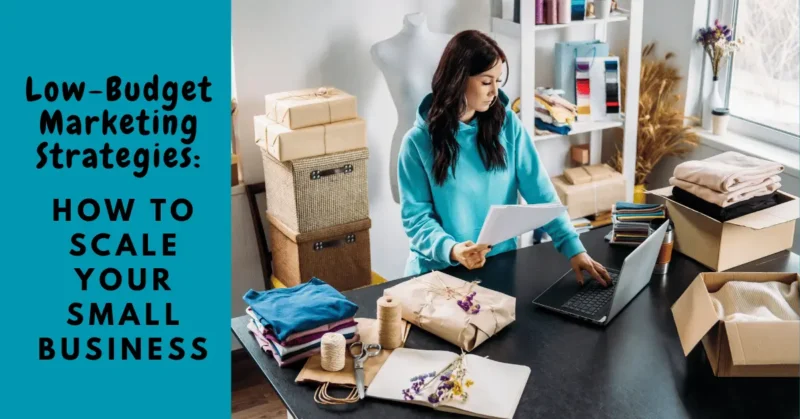
Low-budget marketing strategies are deliberate, cost-effective techniques that help companies attract, engage, and convert customers without relying on expensive advertising or agencies.
They focus on:
- Organic reach instead of paid reach
- Relationship-building instead of one-time promotions
- Long-term visibility instead of short-term spikes
In simple words:
You trade money for consistency, clarity, and creativity.
Why Low-Budget Marketing Matters More Today
Marketing trends clearly show:
1. Customers Trust People, Not Polished Ads
Audiences are tired of “perfect” branding. They want:
- Stories
- Behind-the-scenes content
- Honest experiences
2. Algorithms Favor Value Over Spend
Search engines and social platforms now reward:
- Helpful content
- Real engagement
- Consistent posting
3. Small Businesses Need Sustainable Growth
Burning money on ads without systems leads to:
- Stress
- Inconsistent sales
- Burnout
Low-budget marketing creates steady, predictable growth.
Top Benefits of Low-Budget Marketing Strategies
1. Financial Safety
You grow without risking your cash flow, which is crucial for small businesses.
2. Strong Brand Trust
Organic strategies build long-term relationships, not quick clicks.
3. Higher Skill Ownership
You learn marketing skills that stay with you — not with an agency.
4. Compounding Results
Blogs, SEO, email lists, and content keep working months and years after they’re created.
5. Flexibility & Control
You can test, adjust, and pivot without losing money.
Core Low-Budget Marketing Strategies That Work Today
1. Content Marketing (Your Strongest Free Asset)
Content is still king — but helpful content is the emperor.
What to Focus On:
- Blog posts solving one specific problem
- Short educational videos
- Social media posts with real experiences
Example:
Instead of “Buy My Product,” write
“How I solved [problem] with a simple system.”
2. SEO Blogging (Long-Term Visibility)
Blogging with SEO is one of the most powerful low-budget marketing strategies.
Why It Works:
- One article can bring traffic for years.
- Free traffic from search engines
- Builds authority automatically
What to Do:
- Target one keyword per blog.
- Answer real user questions.
- Use simple language

3. Email Marketing (Still Underrated, Still Powerful)
Email marketing costs almost nothing — yet delivers one of the highest ROIs.
Low-Cost Email Ideas:
- Weekly tips
- Personal lessons learned
- Simple product updates
You don’t need fancy funnels — just consistency and honesty.
4. Social Media With Purpose (Not Noise)
Posting everywhere is expensive in time.
Instead:
- Choose 1–2 platforms.
- Post value-based content
- Engage in comments
Low Budget Tip:
One helpful post > ten random posts.
5. Community-Driven Marketing
People buy from brands they feel connected to.
Ways to Build Community:
- WhatsApp groups
- Telegram channels
- Email replies
- Polls and questions
This costs zero money but builds massive loyalty.
Biggest Challenges of Low-Budget Marketing (And How to Overcome Them)
Challenge 1: Slow Results
Solution: Track progress monthly, not daily.
Challenge 2: Consistency Burnout
Solution: Create a simple content schedule (see below).
Challenge 3: Self-Doubt
Solution: Focus on helping one person at a time.
Challenge 4: Lack of Strategy
Solution: Use checklists instead of motivation.
Low Budget Marketing vs Paid Marketing (Comparison Table)
| Cost | Low / Free | High |
| Speed | Slow but steady | Fast but temporary |
| Trust | High | Lower |
| Sustainability | Long-term | Short-term |
| Skill Growth | High | Low |
Best approach today:
Use low-budget marketing as your foundation, paid ads as support.
Ready-to-Use Low-Budget Marketing Checklist
Define one clear target audience
Choose one main platform
Write one SEO blog per week
Create one lead magnet
Build an email list
Track results monthly
Improve, don’t chase trends
Print this. Use it weekly.
Simple Weekly Marketing Schedule (Low Budget)
Monday
- Plan content (30 min)
Tuesday
- Write a blog or long post (60 min)
Wednesday
- Create 2–3 social posts (30 min)
Thursday
- Engage with audience (20 min)
Friday
- Email your list (20 min)
Weekend
- Learn & review performance (optional)
Total: 3–4 hours per week
Tools That Support Low-Budget Marketing
- Google Search Console (Free SEO insights)
- Canva (Design)
- MailerLite / Brevo (Email)
- Notion / Google Docs (Planning)
- AnswerThePublic (Content ideas)
No expensive software required.
Frequently Asked Questions
Q. Do low-budget marketing strategies really work?
Yes. In fact, they work better now because audiences value authenticity over ads.
Q. How long does it take to see results?
Typically, 3–6 months for organic strategies, but results compound over time.
Q. Can I scale without paid ads?
Absolutely. Many small businesses scale using SEO, content, and email alone.
Q. Which platform is best for low-budget marketing?
It depends on your audience, but SEO blogs + one social platform is a strong start.
Q. Is content marketing expensive?
No — it mainly costs time and consistency, not money.
Q. What is the most common error made by small businesses?
Trying too many strategies at once instead of mastering one.
Pointwise Quick Recap
- Low-budget marketing focuses on strategy, not spending.
- Content, SEO, and email are core growth pillars.
- Consistency beats perfection
- Community builds trust faster than ads.
- Systems reduce burnout
- Small actions compound into big results.
Conclusion: Scale Smart, Not Expensive
Scaling your small business doesn’t require a massive marketing budget.
It requires clarity, consistency, and courage.
When you choose low-budget marketing strategies, you’re not choosing slow growth — you’re choosing sustainable growth.
Start small. Stay consistent.
Your future brand will thank you.
Read more articles on Marketing.