Explore what digital marketing is and the top strategies to grow your business. Learn SEO, content, social media, email, and AI-driven tactics that deliver real results.
Digital Marketing
Digital marketing is the practice of selling goods, services, or brands through internet-connected channels such as websites, social media, email, and search engines. It differs from traditional marketing in that it enables two-way communication, precise audience targeting, and real-time data tracking.
Search engine optimization (SEO), content marketing, social media marketing, email marketing, pay-per-click (PPC) advertising, influencer partnerships, and AI-powered personalization are currently the most popular digital marketing techniques.
When executed together, these strategies build brand awareness, generate leads, and drive revenue more efficiently than offline methods.
Introduction
Imagine you own a bakery. You make the best sourdough in your city, but only your neighbors know about it. Meanwhile, a bakery across town with average bread is fully booked every weekend. Why? They are visible online, and you are not.
That is digital marketing’s power. By appearing where your customers already spend their time, on search engines, social media, and email, you level the playing field and enable small businesses to compete with giant enterprises.
In this guide, you will discover the precise definition of digital marketing, why it is more important than ever, and the tactics that deliver the best return on investment. You will leave with a clear road map to expand your business online, regardless of your level of experience.
Let us begin with the basics.
What Is Digital Marketing?
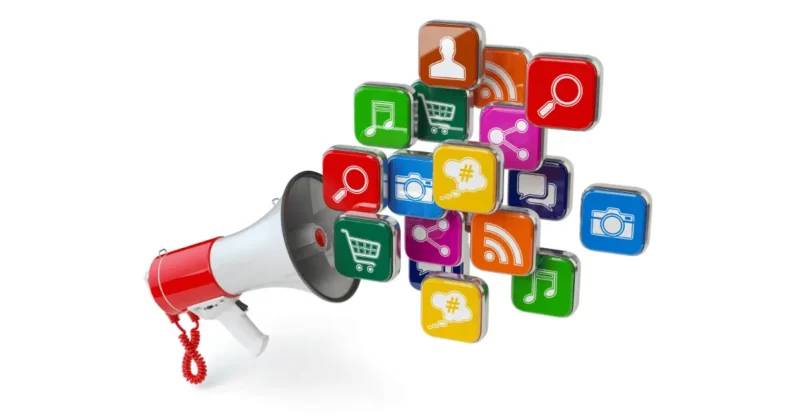
Digital marketing refers to any marketing campaign that uses the internet or electronic devices. Businesses use digital channels including websites, social media, email, and search engines to communicate with both current and potential customers.
Think of it as the modern counterpart of billboards, TV commercials, and phone books. Instead of waiting for someone to notice your advertisement, you can target your message to those already searching for what you offer.
Digital Marketing vs Traditional Marketing
| Print ads, TV, radio, billboards | Search engines, social media, email, websites |
| One-way communication | Two-way interaction |
| Hard to measure exact results | Precise tracking and analytics |
| Broad, untargeted reach | Highly targeted by demographics, behavior, and location |
| Slow to adjust | Real-time optimization |
You may have noticed that developing relationships is just as important to digital marketing as making sales.
You are establishing trust when a consumer engages with your brand on social media, reads your blog, or opens your email. Loyalty, recurring business, and recommendations result from this trust.
Why Digital Marketing Matters Now?
Consider these realities:
- Over 5 billion people use the internet globally—more than 60% of the world’s population.
- 77% of consumers regularly research products online before buying.
- Digital ad spending is expected to exceed $700 billion in 2026.
Your customers are online. If you are not visible, you are invisible. Digital marketing ensures you are found when it matters most.
The 7 Core Types of Digital Marketing
To build a successful strategy, you need to understand the available channels. Each serves a unique purpose, and the best campaigns use a mix.
Search Engine Optimization (SEO)
Optimizing your website to appear higher in search engine results pages (SERPs) is known as SEO. Higher rankings mean more organic (unpaid) traffic.
- On-page SEO: Optimizing content, headings, images, and meta tags.
- Off-page SEO: Building backlinks from reputable sites.
- Technical SEO: Improving site speed, mobile-friendliness, and crawlability.
Example: You write a blog post about “sourdough starter recipes.” With good SEO, that post appears on Google’s first page when someone searches that term.
Content Marketing
To attract a specific audience, content marketing entails producing and disseminating valuable, relevant information. It is not about pitching your products; it is about helping your audience solve problems.
- Blog posts
- Videos
- Infographics
- Podcasts
- E-books
Example: Your bakery posts a video series showing how to shape artisan loaves. Viewers trust your expertise, and when they need baking supplies or classes, they think of you.
Social Media Marketing
This increases brand visibility and engagement through social media platforms such as Facebook, Instagram, LinkedIn, TikTok, and YouTube.
- Organic posts to share updates and stories.
- Paid social ads to reach targeted audiences.
- Community administrators will reply to messages and comments.
Example: You post behind-the-scenes footage of your early morning baking. Customers feel connected to your story and become loyal fans.
Email Marketing
Email is one of the highest-ROI channels in digital marketing. It involves sending targeted messages to a list of subscribers who have opted in.
- Newsletters
- Promotional offers
- Abandoned cart reminders
- Personalized recommendations
Example: A customer buys a loaf from you. You email them a week later with a 10% discount on their next purchase. They return.
Pay-Per-Click Advertising (PPC)
PPC is a model in which you pay each time someone clicks your ad. Google Ads and social media ads are common platforms.
- Search ads appear above organic results.
- Display ads appear on websites in ad networks.
- Social ads appear in user feeds.
Example: You bid on the keyword “fresh sourdough near me.” When someone searches for that, your ad appears at the top of the page.
Influencer Marketing
Partnering with influential individuals in your niche to promote your products. Micro-influencers (1,000–100,000 followers) often deliver higher engagement than celebrities.
Example: A local food blogger with 15,000 followers features your bakery. Their trusted recommendation brings you dozens of new customers.
Marketing Automation
Using software to automate repetitive tasks like email sequences, social media posting, and ad bidding. Automation saves time and enables personalized communication at scale.
Example: When someone downloads your sourdough guide, automation triggers a welcome email series with tips, offers, and a discount.
Top Digital Marketing Strategies That Work in 2026
Having defined the channels, let’s explore the strategies that combine them into a cohesive, high-performance plan.

Strategy #1: Build a Search-First Foundation with SEO and AEO
Search is still the primary way people discover new content and products. But in 2026, you must optimize not just for traditional search engines but also for AI-powered answer engines such as ChatGPT, Google AI Overviews, and Perplexity.
Key Actions:
- Identify high-intent keywords your audience searches.
- Create comprehensive, authoritative content that directly answers questions.
- Use clear headings and bullet points so AI tools can easily extract your answers.
- Structure your content with lists and definitions to win featured snippets.
What is the difference between on-page and off-page SEO?
On-page SEO involves optimizing elements on your website, such as content, headers, and image alt text. Off-page SEO focuses on building external signals like backlinks and social media shares. Both are essential for ranking well.
Why this works: Search engines prioritize clear, direct answers. By providing one, you increase your chances of appearing in position zero.
Strategy #2: Create High-Value Content That Builds Trust
Content is the engine that drives all other digital marketing channels. Without great content, your SEO, social media, and email efforts fall flat. But not all content is equal.
What Makes Content “High-Value”?
- It solves a specific problem.
- It is original and data-backed.
- It reflects real experience (not just generic AI-generated filler).
- It is updated regularly to stay accurate.
Example: Instead of a superficial “10 Tips for Better Baking,” write a 3,000-word guide on “The Science of Sourdough Fermentation.” Include temperature charts, troubleshooting advice, and personal anecdotes. This content positions you as an expert and earns backlinks naturally.
Key Takeaways on Content Marketing:
- Quality outperforms quantity. One comprehensive guide can generate more traffic than ten shallow posts.
- Repurpose content: turn a blog into a video, an infographic, and a podcast episode.
- Always include a clear call to action (CTA) so readers know what to do next.
Strategy #3: Leverage Social Media for Community, Not Just Promotion
Social media algorithms increasingly favor genuine engagement over passive consumption. If you want to grow, you must shift from broadcasting to conversing.
What to Do:
- Post content that invites discussion: questions, polls, and personal stories.
- Respond to every comment and direct message within 24 hours.
- Go live to answer questions in real time.
- Create a private Facebook or Discord community for your most loyal customers.
Example: Your bakery starts a “Weekly Bake-Along” on Instagram Live. Followers bake a recipe at home while you guide them. This builds a loyal community that eagerly anticipates each session.
Pro Tip: 66% of consumers feel more loyal to brands that welcome them into a community. That loyalty translates to higher lifetime value and word-of-mouth referrals.
Strategy #4: Personalize Everything with Email Automation
Generic emails are ignored. Personalized emails get opened. And automation makes personalization scalable.
Segmentation Ideas:
- New subscribers: send a welcome sequence.
- Recent buyers: send a thank-you and a related product offer.
- Inactive users: send a re-engagement campaign.
- Cart abandoners: send a reminder with a small discount.
Example: You notice a customer buys your whole-grain loaves every Tuesday. You set an automation that sends them a coupon for a new whole-grain pastry on Monday. That customer feels understood and buys more.
Email Stat to Consider: Personalized emails deliver a 6x higher transaction rate. That makes email one of your most cost-effective channels.
Strategy #5: Use PPC Advertising for Immediate, Measurable Results
Organic growth takes time. PPC provides instant visibility. It is especially valuable for new businesses, seasonal promotions, or high-competition keywords.
Best Practices:
- Start with a small budget to test what works.
- Use negative keywords to avoid irrelevant clicks.
- Create landing pages that match your ad copy exactly.
- Monitor your Quality Score on Google; higher scores lower your cost per click.
Example: Your bakery launches a new gluten-free line. You run a Google Ads campaign targeting “gluten-free bakery near me.” Within hours, you see traffic and orders from people who previously could not find you.
Risk to Manage: PPC costs can escalate if not monitored. Set daily caps and regularly review which keywords deliver conversions, not just clicks.
Strategy #6: Partner with Micro-Influencers for Authentic Reach
Influencer fatigue is real. Audiences are growing sceptical of celebrity endorsements. Micro-influencers, experts with smaller but highly engaged followings, offer a more authentic alternative.
Why Micro-Influencers Work:
- They have niche authority.
- Their audiences trust their recommendations.
- They are often more affordable (some accept free products).
Example: You send free samples to five local food micro-influencers. Three post-authentic reviews. Their combined reach of 50,000 engaged followers generates more foot traffic than a single billboard ad.
Action Plan: Identify influencers whose values align with your brand. Prioritize engagement rates (likes, comments, shares) over follower count.
Strategy #7: Adopt AI Tools to Amplify Efficiency
Artificial intelligence is transforming digital marketing. It does not replace human creativity but amplifies it by handling repetitive tasks and providing data-driven insights.
Where AI Helps:
- Content ideation: generate topic ideas based on search trends.
- Writing assistance: refine drafts for clarity and SEO.
- Ad optimization: automatically adjust bids and targeting.
- Predictive analytics: forecast which leads are most likely to convert.
- Chatbots: answer common customer questions 24/7.
Example: You use an AI tool to analyze your most successful blog posts. It identifies that posts with step-by-step guides perform best. You then create a series of “ultimate guides” that outperform previous content by 3x.
4. How to Measure Digital Marketing Success
You cannot improve what you do not measure. Key performance indicators (KPIs) help you track progress and pivot when necessary.
Essential KPIs by Channel
| SEO | Organic traffic, keyword rankings, click-through rate |
| Content | Time on page, pages per session, social shares |
| Social Media | Engagement rate, reach, follower growth |
| Open rate, click-to-open rate, conversion rate | |
| PPC | Click-through rate, cost per acquisition, return on ad spend |
| Overall Business | Customer acquisition cost, customer lifetime value, revenue |
How to Start:
- Set a baseline: measure where you are today.
- Define goals: e.g., “increase organic traffic by 30% in six months.”
- Track weekly: use Google Analytics, social insights, and email reports.
- Adjust monthly: double down on what works, stop what does not.
Emerging Trends That Will Shape Digital Marketing and Beyond
Staying ahead of trends ensures you are not left behind. Here is what to watch:
Generative Engine Optimization (GEO)
As AI tools become the primary search interface for many users, you need content that AI models prefer. GEO prioritizes:
- Citing authoritative sources.
- Including third-party validation (e.g., industry studies).
- Writing in a clear, structured format.
- Maintaining up-to-date, factual accuracy.
Zero-Click Searches
More searches end without a click because the answer appears directly in the search results. To benefit, you want to be the source of that answer. Structure your content to answer questions succinctly—this earns visibility even if no one visits your site.
First-Party Data Collection
With third-party cookies fading, you must collect data directly from your audience. Build trust by:
- Offering valuable lead magnets (guides, discounts).
- Making privacy policies transparent.
- Asking for preferences during sign-up.
Video and Social Commerce
Platforms like Instagram, TikTok, and YouTube allow in-app purchases. This shortens the path from discovery to sale. Live shopping events, where influencers demonstrate products, are especially effective.
Step-by-Step Guide to Launching Your Digital Marketing Plan
If you are ready to start, follow this structured approach:
- Define Your Goal: What are you trying to achieve? Brand awareness? Leads? Sales? Be specific.
- Know Your Audience: Create detailed buyer personas. What are their demographics, challenges, and online habits?
- Audit Your Current Online Presence: Check your website speed, mobile responsiveness, and existing content.
- Choose Your Channels: You do not need to be everywhere. Select 2–3 channels where your audience is most active.
- Create a Content Calendar: Plan what you will publish and when. Consistency matters more than perfection.
- Set a Budget: Allocate resources for tools, ads, and possibly freelancers or agencies.
- Launch and Monitor: Start your campaigns, track KPIs, and iterate.
- Review and Optimize: Monthly, review performance and make data-backed adjustments.
Common Digital Marketing Mistakes to Avoid
Even experienced marketers make errors. Here are traps to sidestep:
- Chasing Vanity Metrics: Likes and followers do not equal revenue. Focus on conversions and engagement.
- Ignoring Mobile Users: Over 60% of web traffic comes from mobile devices. Your site must load fast and display correctly on all devices.
- Neglecting SEO Basics: Great content needs proper meta titles, headings, and internal links to be found.
- Skipping the Landing Page: Sending PPC traffic to your homepage instead of a tailored landing page reduces conversions.
- Forgetting to Track: Without proper analytics, you are guessing. Install tracking codes from day one.
FAQ
Q. What is digital marketing in simple terms?
Digital marketing is the promotion of your business using the internet. It includes tactics like SEO, social media ads, email campaigns, and content creation—all designed to reach people where they spend their time online.
Q. Do I need all types of digital marketing?
No. You should focus on channels that align with your goals and where your audience is present. A B2B company may prioritize LinkedIn and email, while a B2C retailer may focus on Instagram and TikTok.
Q. What is the most effective digital marketing strategy?
There is no single winner. The most effective approach combines SEO for sustainable traffic, content for trust-building, and PPC for immediate results. Email marketing typically offers the highest ROI among individual channels.
Q. How much should I spend on digital marketing?
Budgets vary widely. A common starting point is 5–10% of revenue. Small businesses often begin with $500–$2,000 per month and scale based on performance.
Q. Is SEO still relevant in 2026?
Absolutely. SEO remains a top source of free, targeted traffic. The rules have evolved; AI and answer engines are now part of the equation, but the core principles of quality content and technical excellence still apply.
Q. Can I do digital marketing myself?
Yes. Many small business owners start DIY. Tools like Google Analytics, Canva, Mailchimp, and Hootsuite make it accessible. As you grow, consider hiring specialists to scale effectively.
Q. What is the difference between digital and inbound marketing?
Digital marketing is the broader umbrella. Inbound marketing is a subset that focuses on attracting customers through valuable content, rather than interruptive ads.
Q. How long does it take to see results?
SEO and content marketing often take 3–6 months to show significant results. PPC and social ads can generate traffic within hours. A balanced strategy combines quick wins with long-term growth.
Q. What are the best tools for digital marketing?
Essential tools include Google Analytics (analytics), SEMrush or Ahrefs (SEO), Mailchimp or ConvertKit (email), Buffer or Later (social scheduling), and Canva (design).
Q. Will AI replace digital marketers?
No. AI automates tasks and provides insights, but human strategy, creativity, and emotional connection remain irreplaceable. Marketers who embrace AI will outperform those who ignore it.
Conclusion
Digital marketing is no longer optional—it is the primary way businesses connect with modern consumers. By understanding the core channels and implementing a strategy that combines SEO, content, social media, email, PPC, and emerging AI tools, you can build a resilient online presence that drives consistent growth.
You do not need to execute every strategy at once. Start with what fits your audience and resources. Measure your results, learn from them, and expand over time. The important thing is to begin.
Your customers are out there, searching for solutions. With the right digital marketing strategy, they will find you. So take that first step today—your future customers are waiting.
Read more articles on the topic of Digital Marketing